
When I was four or five years old, scratch-and-sniff stickers were the rage. This little shop on Bedford Road called The Magic Slate was a mom and pop shop in an old Victorian house. Each room was filled with decorative items that I would years later recognize as antiques and knickknacks. At the time, I saw a fascinating and unique home that sold sheets of scratch and sniff stickers in the back room.
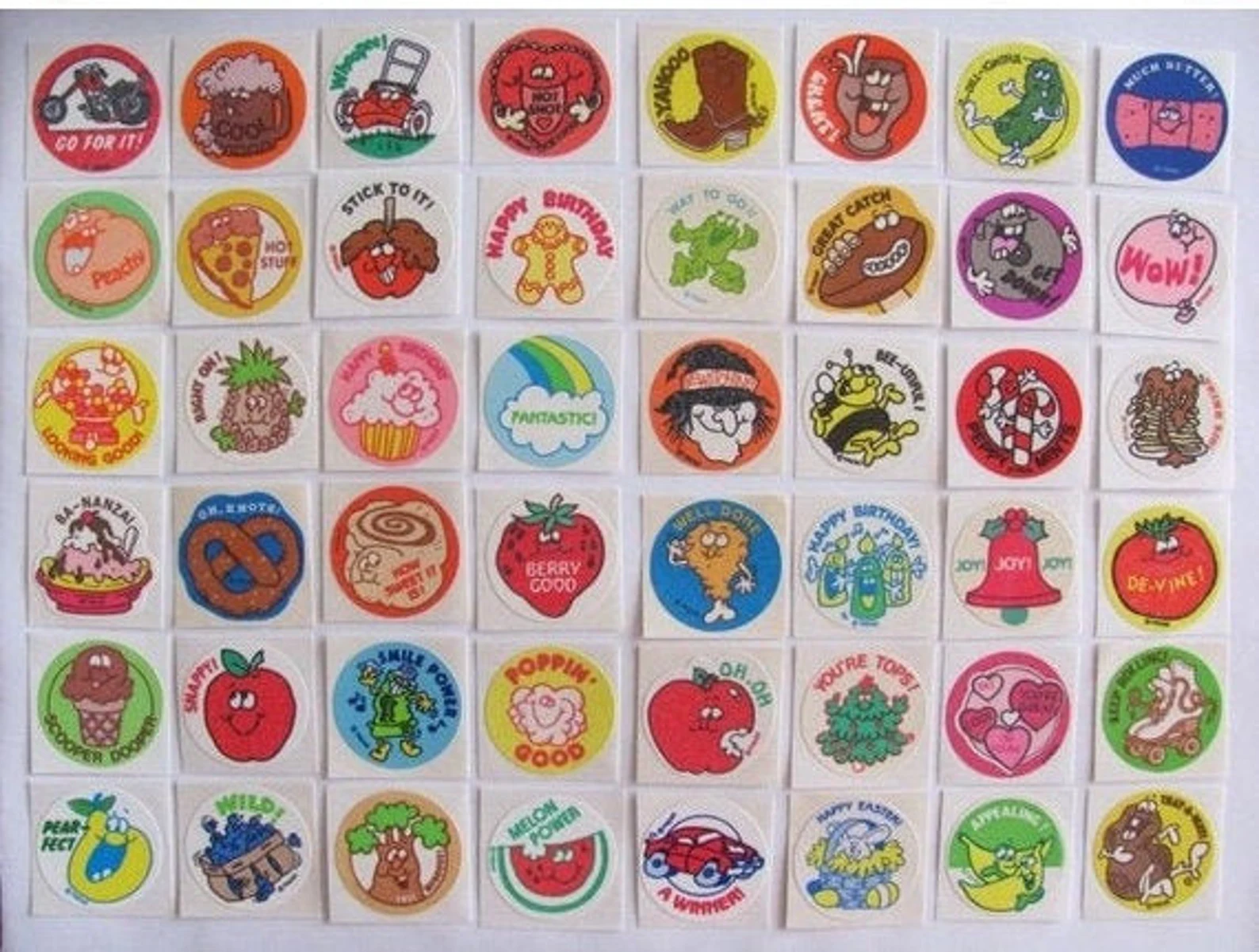
My sister and I would each pick a few stickers, and once we were home we’d eagerly smell and share with each other. Stickers were my first collector’s item. I had a small steno pad that showcased all these sticker treasures. Page after page of colorful stickers chaotically overlapping. The collection grew as bank tellers, grocery store cashiers, and Pre-K teachers would also hand them out as treats or rewards for good behavior.
That steno pad was my first junk journal.
I didn’t have a word for journaling at that age. In fact, no one I knew used the term, even adults. There were diaries, memoirs, and academic journals. Journaling has different faces for different people. Ultimately the purpose is to preserve and capture precious details, and those details aren’t always words.
While bullet journaling is known for its structured and organized approach, another form of preserving information of value that’s gaining popularity is “junk journaling”. This artistic method is a mix of scrapbooking, collage, and personal storytelling. Instead of words carrying the load of all your memories or ideas, visual art and keepsakes speak to your experience – without actually speaking.
If you love crafting, vintage aesthetics, or the idea of turning discarded materials into something meaningful, junk journaling might be the perfect creative outlet for you. In this guide, we’ll explore what junk journaling is, the materials you need to get started, and techniques to create your own beautiful, one-of-a-kind junk journal.
What Is Junk Journaling?
Junk journaling is a form of journaling that repurposes everyday materials to create a uniquely artistic and layered record. Materials used can include old pages of a novel, fabric scraps, postcards, ticket stubs, envelopes, and more Unlike traditional journaling, junk journaling integrates mixed media and unique textures, making each page a visual experience, and a mini work of art.
Junk journals can serve many purposes:
- A memory book filled with personal mementos
- An art journal with sketches, paintings, and mixed media elements
- A travel journal filled with maps, ticket stubs, and photographs
- A gratitude or affirmation journal
- A creative space for experimenting with different artistic techniques
Why Try Junk Journaling?
If writing feels too stiff or limiting, junk journaling offers a more relaxed, no-rules approach. It’s a great way to:
- Reduce Waste: Repurpose materials that might otherwise be discarded.
- Express Creativity: Experiment with different textures, colors, and designs.
- De-stress and Unwind: The hands-on nature of crafting can be therapeutic.
- Capture Memories in a Unique Way: Every journal is different, making it a true reflection of your experiences and artistic style.
Essential Supplies for Junk Journaling
One of the best things about junk journaling is that you don’t need fancy supplies to get started. Many of the materials you need can be found around your home. Here are some essentials:
Base Materials
- Old books (to repurpose pages or use as the journal base)
- Blank or used notebooks
- Loose sheets of paper (vintage paper, graph paper, music sheets, etc.)
- Cardstock or mixed media paper
Decorative Elements
- Magazine clippings, newspaper cutouts
- Wrapping paper, scrapbook paper
- Vintage postcards, envelopes, and postage stamps
- Fabric scraps, lace, ribbons, buttons
- Ticket stubs, receipts, business cards
Tools & Adhesives
- Glue sticks, double-sided tape, or Mod Podge
- Scissors, craft knives, or paper trimmers
- Hole puncher and eyelets (for decorative touches)
- Stapler and paper clips
Writing & Art Supplies
- Pens, markers, fountain pens
- Watercolor paints, acrylics, or colored pencils
- Rubber stamps and ink pads
- Stickers, washi tape, or stencils
How to Create a Junk Journal
If you’re ready to start your own junk journal, follow these steps:
Step 1: Choose Your Journal Base
You can either repurpose an old book, create a journal from scratch by binding papers together, or use a pre-made blank notebook. If using an old book, remove some pages to make room for additional layers of materials.
Step 2: Collect Your Materials
Gather papers, ephemera, and decorative elements that inspire you. Arrange them loosely to see how they fit together before attaching them permanently.
Step 3: Prepare Your Pages
You can distress paper edges using tea or coffee staining, ink pads, or simply tearing them for a vintage look. Layer different textures and colors to create an appealing background.
Step 4: Arrange and Attach Your Elements
Experiment with different layouts before gluing anything down. You can:
- Use pockets or envelopes to tuck away personal notes.
- Sew fabric scraps onto pages for added texture.
- Layer stickers, stamps, and magazine clippings to create depth.
- Attach flaps, foldouts, or hidden compartments for interactive pages.
Step 5: Add Your Personal Touches
Write journal entries, sketch, add quotes, or use calligraphy to personalize your pages. Your junk journal is a reflection of your creativity, so make it uniquely yours!
Junk Journaling Themes & Ideas
Need some inspiration? Here are a few creative ideas for your junk journal:
1. Vintage Memory Journal
Use old photographs, handwritten letters, lace, and distressed paper to create a nostalgic journal capturing family memories or historical themes.
2. Travel Junk Journal
Collect maps, postcards, train tickets, and stamps from your travels. Add personal reflections and sketches of places you’ve visited.
3. Nature-Themed Junk Journal
Incorporate pressed flowers, leaf rubbings, and earthy tones to reflect your love for nature and outdoor adventures.
4. Gratitude Junk Journal
Fill your journal with daily gratitude lists, affirmations, and uplifting quotes surrounded by colorful, cheerful designs.
5. Seasonal Junk Journal
Create separate journals for different seasons, featuring seasonal recipes, holiday cards, and festive decorations.
Junk Journaling Tips for Beginners
Starting a junk journal can be overwhelming, but remember—there are no rules! Here are a few tips to help you get started:
- Start Small: Don’t feel pressured to fill an entire journal at once. Begin with a few pages and add more over time.
- Embrace Imperfection: Torn edges, uneven lines, and smudges add character to your pages.
- Experiment with Layers: Try combining different textures, from fabric to lace to paper cutouts.
- Mix Writing and Art: You can include written reflections, but don’t be afraid to let visuals take center stage.
- Use What You Have: You don’t need expensive supplies. Everyday materials can be transformed into something beautiful.
Where to Find Junk Journaling Materials
If you’re looking for unique materials, consider these sources:
- Thrift Stores & Flea Markets: Vintage books, postcards, and fabrics can be found here.
- Craft Stores: Washi tape, stamps, and specialty papers are available.
- Online Marketplaces: Websites like Etsy offer digital and physical junk journaling supplies.
- Your Own Home: Old letters, packaging, receipts, and more can be repurposed.
Junk journaling isn’t for everyone, but you’ll be surprised at how rewarding this highly personal form of creative expression can be. It allows you to break free from the constraints of writing and embrace a more tactile experience. Whether you use your junk journal for memory keeping, artistic experimentation, or personal reflection, the possibilities are endless.
Give Junk Journaling a Try
So why not start your own junk journal today? Gather your materials and let your creativity flow! I’d love to see samples of your work.

